
When an Uber self driving backup driver causes an accident, determining liability insurance responsibility becomes legally complex.
A self-driving Uber vehicle is moving through a busy Phoenix intersection in autonomous mode. The backup driver—legally required to monitor the system—briefly looks down at their phone. The vehicle fails to detect a pedestrian crossing lawfully, and the driver does not intervene in time. A collision occurs.
The injured pedestrian is suddenly facing medical bills, lost income, and long-term recovery concerns. One question becomes urgent: Who is legally and financially responsible—Uber, the backup driver, the technology provider, or someone else?
This scenario is not hypothetical. Real-world autonomous vehicle incidents have exposed how complex liability becomes when human supervision and automated systems intersect. When an Uber self-driving backup driver causes an accident, determining liability and insurance coverage involves multiple parties, layered policies, and evolving legal standards that most people never encounter until they are directly affected.
Why Backup Driver Liability in Self-Driving Uber Accidents Matters
Autonomous vehicle programs operated by companies like Uber exist in a transitional phase of transportation. These vehicles are capable of driving themselves, yet they are not legally permitted to operate without human oversight in most jurisdictions. As a result, backup drivers—also known as safety drivers or vehicle operators—are required to remain alert and take control when necessary.
This hybrid model creates a liability framework that differs significantly from both traditional car accidents and standard rideshare collisions. Responsibility is no longer clear-cut. Instead, fault may involve a combination of human decision-making, software limitations, sensor failures, training adequacy, and company protocols.
Insurance companies, regulators, and courts are still refining how fault should be assessed in these cases. Unlike conventional accidents—where negligence is evaluated based on driver behavior alone—self-driving incidents require analysis of system logs, sensor data, driver attentiveness records, and real-time software decision-making.
For injured individuals, this complexity often leads to delayed claims, disputed coverage, and prolonged uncertainty. For backup drivers, the risk is equally serious. Many are unaware that they may face personal legal exposure, even when the vehicle was operating autonomously at the time of the crash.
Understanding the Backup Driver’s Role and Legal Responsibility
A backup driver in an Uber self-driving vehicle is not a passive occupant. They are employed or contracted as a safety operator with defined legal and contractual duties. Their primary responsibility is to continuously monitor the autonomous system and intervene when safety requires human control.
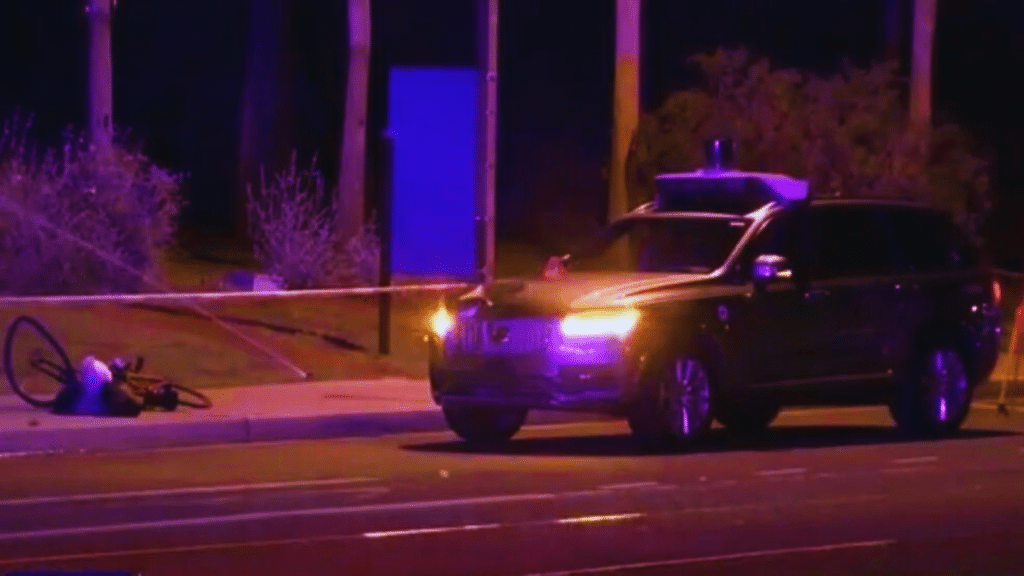
Typical Regulatory Requirements for Backup Drivers
In states such as Arizona, California, and Pennsylvania—where autonomous vehicle testing has historically occurred—backup drivers are generally required to:
- Maintain continuous attention to roadway conditions and vehicle behavior
- Be capable of taking immediate manual control
- Hold a valid driver’s license (sometimes with additional qualifications)
- Complete company-specific training on the autonomous system
Despite these requirements, the role presents an inherent contradiction. Human beings are neurologically poorly suited to prolonged passive monitoring. Research in cognitive psychology consistently shows that attention declines when humans supervise automated systems for extended periods—a phenomenon known as automation complacency or vigilance decrement.
Legally, however, this limitation does not eliminate responsibility. Courts and insurers often apply traditional negligence standards, asking whether a “reasonable” backup driver would have intervened sooner under similar circumstances. Determining that answer requires detailed technical evidence that did not exist in traditional car accident cases.
Who Can Be Held Liable in an Uber Self-Driving Accident?
Liability in an Uber autonomous vehicle accident is rarely limited to a single party. Instead, responsibility may be shared or contested among several entities.
Backup Driver Liability
A backup driver may be held liable if evidence shows they:
- Failed to maintain required attention
- Had sufficient time to intervene but did not
- Violated company protocols or safety procedures
Dashcam footage, eye-tracking data, and vehicle logs often play a central role in these determinations.
Uber’s Liability as an Operator
Uber may bear liability if:
- The backup driver was inadequately trained
- Safety protocols were unreasonable or unclear
- The company failed to enforce monitoring standards
- Required insurance coverage was insufficient
Although Uber frequently classifies drivers as independent contractors, that classification does not automatically shield the company from liability in autonomous testing programs.
Technology Provider or Manufacturer Liability
If the accident resulted from:
- Sensor failures
- Software defects
- Inadequate object detection
- Unsafe system handoff design
then liability may shift toward the vehicle manufacturer or autonomous technology developer under product liability or negligence theories.
How Uber Insurance Coverage Works in Self-Driving Accidents
Insurance coverage in autonomous Uber accidents is layered and highly dependent on the specific circumstances.
| Situation | Likely Coverage Source |
| Vehicle in autonomous testing mode | Uber or program-specific commercial policy |
| Backup driver negligence | Uber policy or driver’s personal policy (disputed) |
| Technology defect | Manufacturer or developer insurance |
| Unauthorized use or protocol violation | Coverage may be denied |
Unlike standard Uber rides, autonomous vehicle programs often operate under special commercial insurance policies with higher limits. However, coverage disputes are common when insurers argue that a driver’s conduct voided coverage or shifted responsibility elsewhere.
What Happens After an Uber Self-Driving Accident: The Claims Process
The aftermath of an autonomous vehicle accident follows a markedly different path than a typical car crash.
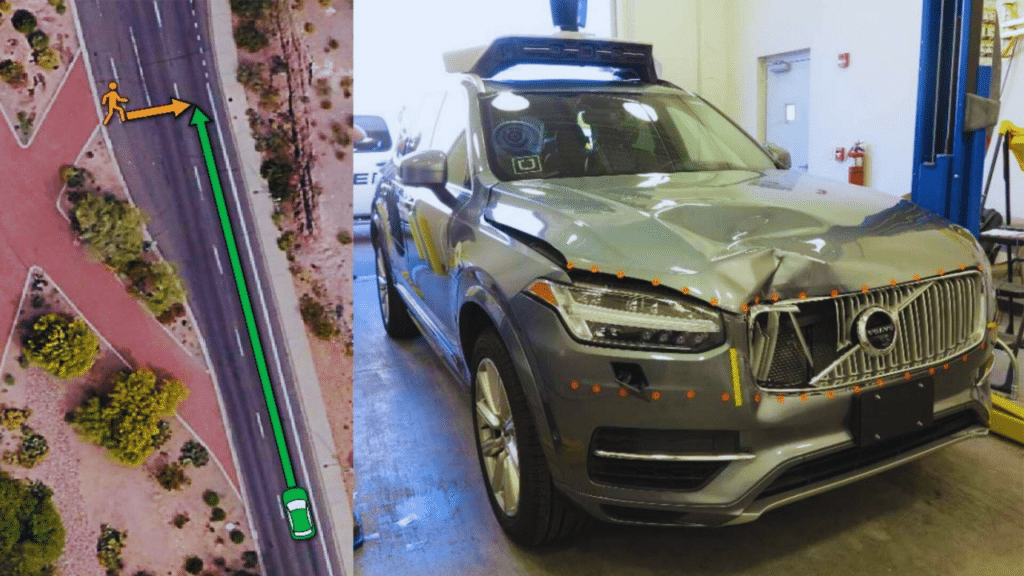
Immediate Investigation
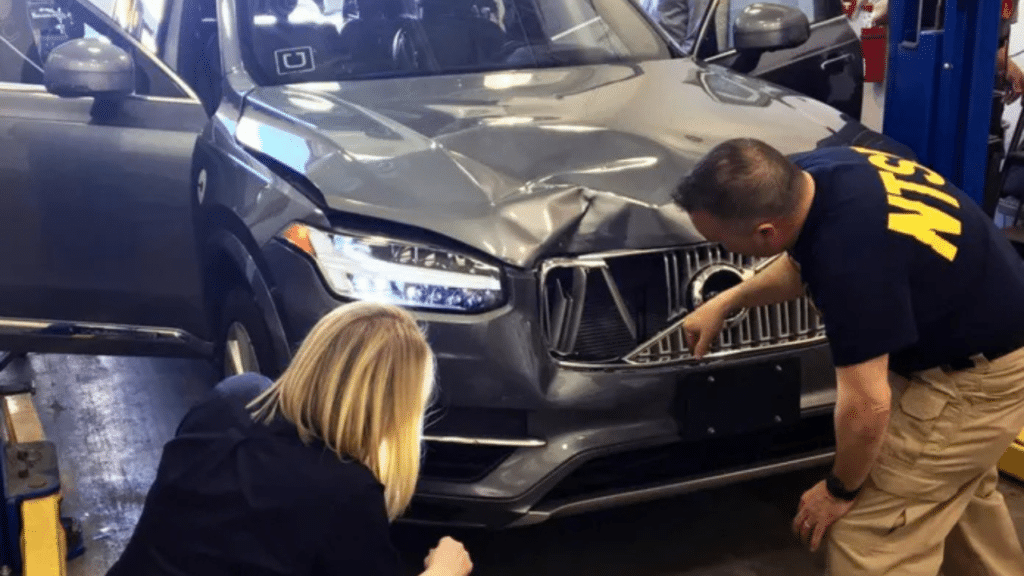
Uber and regulatory agencies typically launch immediate investigations. Data logs, camera footage, sensor readings, and system diagnostics are preserved. In serious cases, the National Highway Traffic Safety Administration (NHTSA) or state motor vehicle agencies may become involved.
While this creates extensive documentation, it also means that companies begin building legal defenses immediately.
Claims Submission and Review
Injured parties usually submit claims to Uber’s insurance carrier. These claims often remain open for extended periods due to the technical analysis required to determine fault.
Liability Disputes and Delays
Insurers may dispute claims by arguing that:
- The backup driver alone was responsible
- The injured party contributed to the accident
- Company protocols were violated
- The incident occurred outside covered operations
Resolving these disputes often requires expert analysis and, in many cases, legal representation.
Common Coverage Gaps and Liability Risks
Certain situations frequently complicate coverage determinations:
- Inadequate Training: If the backup driver was insufficiently trained, Uber’s responsibility may increase.
- System Handoff Failures: Delayed or unclear takeover alerts can shift liability toward the technology provider.
- Multiple Causes: When both human inattention and system limitations contribute, fault may be apportioned.
- Regulatory Violations: Noncompliance with state testing requirements can affect coverage eligibility.
- Unauthorized Use: Accidents occurring outside approved routes or hours may void coverage entirely.
Mistakes That Can Weaken an Insurance or Injury Claim
Both injured parties and backup drivers can unintentionally damage their claims by:
- Failing to document the scene thoroughly
- Providing inconsistent statements
- Accepting early settlement offers
- Missing statutory deadlines
- Delaying medical treatment
Autonomous vehicle cases are scrutinized heavily, and credibility plays a critical role in outcomes.
Legal Considerations and When Professional Help Matters
Autonomous vehicle accident claims involve legal and technical complexity well beyond standard auto cases. Professional legal assistance is often necessary when:
- Injuries are severe or permanent
- Liability is disputed
- Multiple defendants are involved
- Insurance coverage is denied or limited
These cases frequently require coordination between accident reconstruction experts, software engineers, and legal professionals to establish responsibility accurately.
Frequently Asked Questions About Uber Self-Driving Accident Liability
Q1. Who is liable if an Uber self-driving car causes an accident?
Liability depends on whether the crash resulted from backup driver negligence, autonomous system failure, or company-level safety issues. In many cases, responsibility is shared and evaluated using vehicle data and regulatory standards.
Q2. Is the backup driver legally responsible during autonomous operation?
Yes. Backup drivers are legally required to monitor the system and intervene when necessary. Failure to do so can result in personal liability, even if the vehicle was operating in self-driving mode.
Q3. Does Uber’s insurance cover self-driving accidents?
Uber typically carries specialized commercial insurance for autonomous vehicle testing, but coverage may be disputed if company protocols were violated or if the driver acted outside authorized conditions.
Q4. Can injured pedestrians or passengers sue Uber directly?
In some cases, yes. Lawsuits may involve Uber, the backup driver, and technology providers depending on how fault is determined and how insurance coverage applies.
Q5. What happens if both the driver and the technology contributed to the accident?
Courts may apportion fault among multiple parties. This shared liability approach is common in autonomous vehicle cases where human oversight and system limitations overlap.
Q6. How long do Uber self-driving accident claims take to resolve?
These claims often take longer than standard car accidents due to technical investigations, data analysis, and potential regulatory involvement. Timelines can range from several months to multiple years.
Q7. What should I do immediately after an accident involving a self-driving Uber vehicle?
Seek medical care, document the scene if possible, report the incident to authorities, and preserve any evidence. Given the complexity, professional guidance may be necessary.
Conclusion: Why Liability in Uber Self-Driving Accidents Is Never Simple
When an Uber self-driving backup driver causes an accident, liability is rarely straightforward. Responsibility may involve the backup driver, Uber, technology developers, or a combination of all three. Insurance coverage depends heavily on compliance, conduct, system performance, and regulatory frameworks.
For injured individuals, understanding these dynamics is essential to protecting their rights. For backup drivers, recognizing potential personal exposure is equally critical. As autonomous technology continues to evolve, so will the legal standards governing responsibility—but for now, these cases remain among the most complex in modern transportation law.
Disclaimer:
This article is for informational purposes only and does not constitute legal or insurance advice.
