

Personal finance can feel overwhelming, especially when you’re bombarded with conflicting advice about budgeting rules, investment strategies, and debt payoff methods. Many people struggle not because they lack information, but because they don’t have a clear framework to organize their financial decisions. Understanding what are the five foundations of personal finance gives you a structured approach that transforms financial confusion into clarity. By the end of this article, you’ll understand how these foundations work as a connected system and why following them in the correct order creates lasting financial stability.
What Are the Five Foundations of Personal Finance?
The five foundations of personal finance are a sequential framework that guides your financial decisions from basic stability to long-term wealth building. These foundations include: (1) Income and Cash Flow Clarity, (2) Spending Awareness and Control, (3) Saving and Financial Safety Nets, (4) Debt Strategy and Financial Risk Management, and (5) Investing and Long-Term Wealth Building. Each foundation builds upon the previous one, creating a stable financial structure that supports your life goals without requiring complex strategies or perfect execution.
Financial literacy research consistently shows that structured frameworks help individuals make better long-term money decisions than following isolated tips.
The Five Foundations of Personal Finance Explained as a System
Think of personal finance foundations like building a house. You wouldn’t install a roof before laying a foundation, yet many people try to invest before understanding their cash flow or build wealth while drowning in high-interest debt. The five foundations of personal finance work as an interconnected system where each level supports the next.
The first foundation ensures you know exactly how money flows into your life. The second foundation helps you understand where that money goes. Only after mastering these two can you effectively build savings in the third foundation. The fourth foundation addresses financial risks and debt strategically, while the fifth foundation focuses on growth and wealth accumulation. This logical progression prevents common mistakes and creates sustainable financial progress.
The Five Foundations of Personal Finance (Step-by-Step Breakdown)
Foundation 1 – Income & Cash Flow Clarity
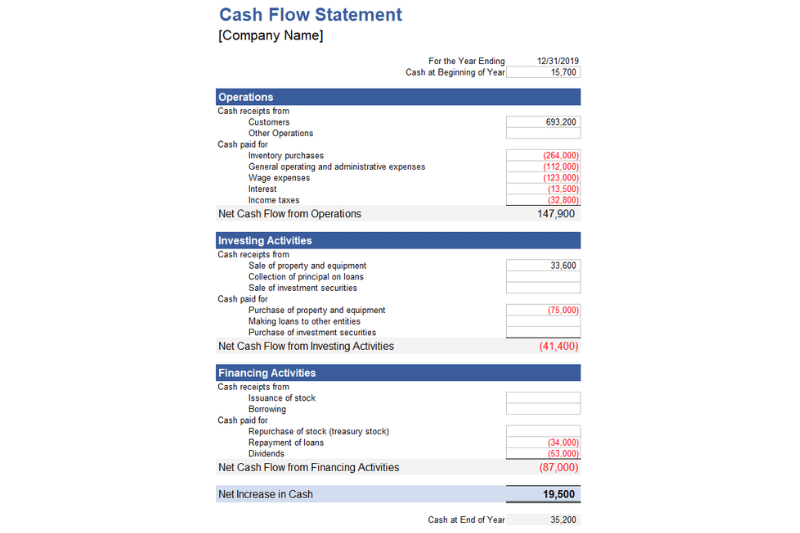
Before you can manage money effectively, you need to understand exactly how much money you actually receive and when it arrives. Income clarity means knowing your take-home pay after taxes, understanding irregular income patterns if you’re self-employed, and recognizing the difference between gross income and what’s actually available to spend.
Cash flow clarity goes deeper than just knowing your salary. It involves understanding the timing of your income relative to your expenses. Do you get paid weekly, biweekly, or monthly? Does your income fluctuate seasonally? Many financial problems stem not from earning too little, but from mismatched timing between when money arrives and when bills are due.
This foundation also includes recognizing all income sources, including side income, investment returns, or government benefits. Without this complete picture, any financial plan you build will rest on incomplete information.
Foundation 2 – Spending Awareness & Control
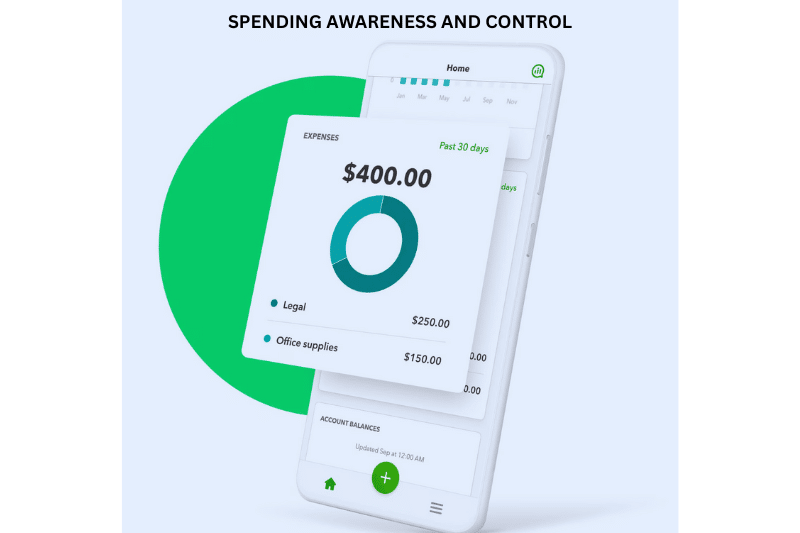
Once you understand your income, the next foundation involves knowing where your money actually goes. Spending awareness means tracking your expenses not to judge yourself, but to gather accurate data about your financial behavior. Most people significantly underestimate how much they spend in categories like dining out, subscriptions, or small daily purchases.
Spending control doesn’t mean restricting every purchase or living on a rigid budget. Instead, it means making intentional choices about how your money aligns with your priorities. This foundation helps you identify spending that genuinely adds value to your life versus spending driven by habit, convenience, or social pressure.
The key insight here is that you can’t control what you don’t measure. By developing spending awareness, you create the foundation for all future financial decisions. You’ll know exactly how much money remains after essential expenses, which determines how much you can realistically save or invest.
Foundation 3 – Saving & Financial Safety Nets
With clear income and controlled spending, you now have the capacity to save. This foundation focuses on building financial buffers that protect you from life’s inevitable surprises. The primary goal here is creating an emergency fund that covers three to six months of essential expenses.
Financial safety nets serve multiple purposes beyond emergency preparedness. They reduce financial stress, prevent you from going deeper into debt when unexpected expenses arise, and give you freedom to make better long-term decisions without desperation. Someone with six months of expenses saved can negotiate a job offer, leave a toxic work environment, or handle a medical emergency without financial panic.
This foundation also includes short-term savings for predictable irregular expenses like car maintenance, annual insurance premiums, or holiday spending. By saving systematically for these expenses, you prevent them from feeling like emergencies that derail your financial progress.
Foundation 4 – Debt Strategy & Financial Risk Management
Once you have basic savings established, you can strategically address debt and other financial risks. This foundation isn’t about becoming completely debt-free before doing anything else; it’s about understanding which debts need urgent attention and which can be managed systematically.
High-interest consumer debt creates a financial emergency because it actively works against your wealth-building efforts. Credit card debt at eighteen or twenty percent interest makes it nearly impossible to build wealth through investing. This foundation prioritizes eliminating toxic debt while maintaining your emergency fund.
Financial risk management also includes adequate insurance coverage for health, disability, life, and property. These protections prevent catastrophic financial setbacks that could destroy years of progress. Someone without health insurance faces not just medical risk, but financial devastation from a single serious illness.
The strategic approach here means balancing debt repayment with continued saving and investing, rather than putting everything toward debt while remaining vulnerable to emergencies.
Foundation 5 – Investing & Long-Term Wealth Building
The final foundation focuses on growing wealth through strategic investing. This includes retirement accounts, taxable investment accounts, real estate, or business investments. This foundation becomes truly effective only after establishing the previous four foundations.
Investing without emergency savings creates vulnerability where market downturns or personal emergencies force you to sell investments at the worst possible time. Investing while carrying high-interest debt means your investment returns fight against interest costs that typically exceed market returns.
Long-term wealth building at this stage includes maximizing retirement contributions, understanding tax-advantaged accounts, and developing an investment strategy aligned with your risk tolerance and time horizon. The psychological stability created by the earlier foundations allows you to invest consistently and avoid panic during market volatility.
What Are the Five Foundations of Personal Finance in Order?
The five foundations of personal finance in order are:
- Income & Cash Flow Clarity – Understand exactly how much money you receive and when it arrives
- Spending Awareness & Control – Track where your money goes and make intentional spending choices
- Saving & Financial Safety Nets – Build emergency funds and buffers for irregular expenses
- Debt Strategy & Financial Risk Management – Eliminate high-interest debt and protect against major risks
- Investing & Long-Term Wealth Building – Grow wealth through strategic, consistent investing
This order matters because each foundation creates the stability required for the next level. Attempting to skip ahead or reverse this order typically creates financial instability rather than progress.
Why Following the Correct Order Matters in Personal Finance
Following the five foundations in order prevents common financial mistakes that slow or reverse progress. One frequent error involves investing aggressively while carrying significant credit card debt. If your credit card charges eighteen percent interest while your investments might return eight percent annually, you’re mathematically losing ground even as you feel productive about investing.
Another mistake involves building wealth without adequate emergency savings. When unexpected expenses inevitably arise, you’re forced to either sell investments at potentially unfavorable times or add to credit card debt, undoing your progress. This creates a frustrating cycle where you feel like you’re working hard financially but never gaining traction.
Skipping the spending awareness foundation leads people to save or invest amounts they can’t actually sustain because they don’t truly understand their cash flow. They might save aggressively for two months, then completely abandon the effort when they realize they underestimated their actual spending needs.
The correct order also builds psychological momentum. Successfully mastering each foundation creates confidence and evidence that you can manage money effectively. This positive feedback loop supports long-term consistency, which matters more than perfect optimization.
How to Apply the Five Foundations of Personal Finance in Real Life
Applying these foundations begins with honest assessment rather than dramatic change. Start with foundation one by reviewing three months of bank statements to understand your actual income patterns. Note any irregularity, seasonal variation, or income sources you might have overlooked.
For foundation two, track your spending for at least thirty days without trying to change it immediately. Use whatever method works best for you whether that’s a budgeting app, spreadsheet, or even pen and paper. The goal is accurate data, not perfect categorization.
Build foundation three by starting small if necessary. Even saving fifty dollars per paycheck creates momentum. Set up automatic transfers to a separate savings account so the money moves before you can spend it. Gradually increase this amount as you identify spending that doesn’t align with your priorities.
Address foundation four by listing all debts with their interest rates and minimum payments. Focus additional payments on the highest interest debt while maintaining minimum payments on everything else. Simultaneously, review your insurance coverage to identify dangerous gaps.
Approach foundation five by starting with retirement accounts that offer employer matching, which provides an immediate return on your money. As your financial stability increases, expand into additional investment accounts and strategies.
The key to real-life application is starting where you are rather than where you think you should be. Progress matters more than perfection.
Why Personal Finance Depends More on Behavior Than Knowledge
Most people who struggle financially don’t lack information about what they should do. They face behavioral challenges that prevent consistent application of what they already know. Personal finance behavior includes your emotional relationship with money, spending habits developed over years, and your ability to delay gratification for long-term benefits.
Someone might intellectually understand that carrying credit card debt is financially harmful, yet repeatedly return to old spending patterns because shopping provides emotional comfort. Another person might know they should save for emergencies but prioritize immediate desires over future security because the future feels abstract and distant.
Behavioral consistency beats perfect strategy every time. Someone who imperfectly but consistently saves fifteen percent of their income will build more wealth than someone who perfectly optimizes their investments but saves inconsistently.
The five foundations framework helps address behavioral challenges by providing clear, sequential steps rather than overwhelming complexity. When you know exactly which foundation you’re working on, decision-making becomes simpler and less emotionally draining.
Understanding personal finance foundations also reveals why discipline and patience matter more than intelligence or income level. Many high earners struggle financially because they never develop the behavioral foundations of spending awareness and saving discipline. Meanwhile, modest earners who master these behaviors build significant wealth over time.
Common Beginner Mistakes That Weaken Financial Foundations
One common mistake involves treating budgeting as a temporary diet rather than developing sustainable spending awareness. People create extremely restrictive budgets, follow them for a few weeks, then abandon them completely when they feel deprived. This all-or-nothing approach prevents building the gradual awareness that foundation two requires.
Another error is keeping emergency savings in accounts that are too accessible or too difficult to access. Money market accounts or high-yield savings accounts provide the right balance between accessibility for true emergencies and enough friction to prevent casual withdrawals.
Many beginners also underestimate irregular expenses, treating them as unexpected emergencies rather than predictable costs that occur annually or seasonally. This creates perpetual financial stress and prevents building genuine emergency funds because the money gets used for predictable expenses.
Focusing exclusively on investment returns while ignoring the earlier foundations represents another critical mistake. Someone obsessed with finding the perfect investment strategy while carrying high-interest debt and no emergency fund has misunderstood the entire framework.
Finally, trying to implement all five foundations simultaneously usually leads to burnout and abandonment. The sequential approach exists specifically to prevent overwhelm by focusing your attention on one level at a time.
FAQs
What are the five foundations of personal finance?
The five foundations of personal finance are a sequential framework for financial stability: income and cash flow clarity, spending awareness and control, saving and financial safety nets, debt strategy and financial risk management, and investing and long-term wealth building. Each foundation builds upon the previous one, creating a comprehensive approach to managing money effectively.
What are the foundations of personal finance?
Foundations of personal finance refer to the fundamental principles and practices that support long-term financial health. These include understanding your income, controlling spending, building emergency savings, managing debt strategically, and investing for future growth. Mastering these foundations creates financial stability regardless of income level or economic conditions.
What are the five foundations of personal finance in order?
The five foundations in order are: first, income and cash flow clarity; second, spending awareness and control; third, saving and financial safety nets; fourth, debt strategy and financial risk management; and fifth, investing and long-term wealth building. This sequence matters because each foundation creates the stability necessary for successfully implementing the next level.
Why is it important to follow the five foundations in order?
Following the foundations in order prevents common mistakes like investing while carrying high-interest debt or building wealth without emergency savings. Each foundation creates specific capabilities and stability that the next foundation requires. Skipping ahead typically creates financial vulnerability rather than accelerated progress, while the sequential approach builds sustainable financial health.
What are the five pillars of personal finance?
The five pillars of personal finance and the five foundations refer to the same framework with different terminology. Both describe the systematic approach to financial management covering income clarity, spending control, emergency savings, strategic debt management, and long-term investing. These pillars work together to support comprehensive financial health and wealth building.
Why is personal finance dependent upon behavior?
Personal finance depends on behavior because most financial challenges stem from habits and emotional decisions rather than lack of knowledge. Consistent saving, disciplined spending, and patient investing require behavioral change that’s difficult to maintain. Someone with modest income but excellent financial behaviors typically achieves better outcomes than high earners with poor financial habits.
Conclusion
The five foundations of personal finance provide a clear, logical framework for building financial stability and long-term wealth. By understanding that these foundations work as a connected system rather than isolated strategies, you can avoid common mistakes and make steady progress regardless of your starting point. Financial success depends less on perfect optimization and more on consistent application of these fundamental principles over time. Whether you’re just starting your financial journey or looking to strengthen your existing approach, focusing on these foundations in order creates the structure necessary for lasting financial confidence and security.
